PCOS: periods, ovulation and other signs
Doctor explanation
Dr. Fowad introduces irregular periods, ovulation changes and other features that may lead to an assessment for PCOS.
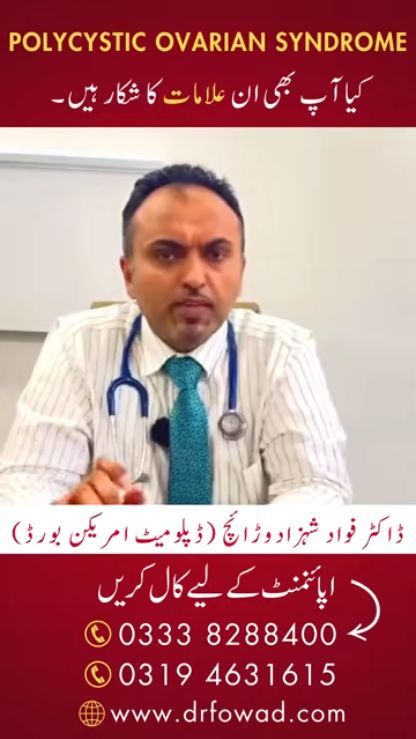
If the video does not load, reload the player or watch on YouTube.
Hosted on YouTube. Loading the player connects to YouTube.
This is an archived recording. Original clinic references are retained; use this website’s current contact details for appointments. Current appointment details ↗
Understanding assessment
People with PCOS do not all have the same symptoms, and an ultrasound finding alone does not establish the diagnosis. In adults, assessment generally considers two of three features: ovulation problems, signs or blood-test evidence of raised androgens, and polycystic ovarian appearance, after excluding other causes. Ultrasound is not always required.
Adolescents need a different assessment approach; ultrasound and AMH are not recommended for diagnosing PCOS in adolescents. Discuss irregular periods, acne or unwanted hair growth with a clinician rather than using this short introduction as a self-diagnosis checklist.
This video provides general information and does not replace an individual medical assessment.
Further reading: 2023 International PCOS Guideline.